
Lancashire, and on the stores
An app developer whose apps are actually on the stores.
Plenty of agencies will build you an app. Rather fewer have been through Apple review and can point at the listing. We have apps live on the App Store and Google Play, including one we own and run ourselves, all built from Preston. We scope yours on a call and give you a fixed price in writing.
Getting through Apple review is the part nobody warns you about
Writing an app is the predictable half. The half that catches people out is everything Apple and Google require before a listing goes live and keep requiring afterwards: account deletion and data export in the app itself, privacy labels that match what the software really collects, permission strings that explain themselves, age ratings, and a review queue that can hold a build for a fortnight with no explanation.
We have done it repeatedly, including the unglamorous parts: a build sitting in Waiting for Review for thirteen days, signing certificates, and shipping an update that reaches phones the same day rather than waiting for another review cycle. That experience is most of what you are buying, and it is why the first submission is the one that goes smoothly.
iOS and Android, without paying for the same app twice
We build both platforms from one codebase, so a change lands on iPhone and Android together rather than being written, tested and paid for twice. Where a web version makes sense we ship that from the same code too, which is how GrowthSync runs as a website, an iOS app and an Android app at once.
The trade-off is honest: an app whose entire point is a platform-specific capability is sometimes better written natively, and we will say so rather than sell you the thing we prefer building. What decides it is what the app has to do, not what is convenient at this end.
What actually goes into an app that people keep using
Accounts and roles, so what a person can do depends on who they are rather than which link they were sent. Push notifications that reach a phone instead of an inbox nobody opens. Payments that reconcile against the thing that was bought. Offline tolerance, because your users are in a car park with one bar of signal, not at a desk on fibre.
Underneath: row level security on every table, so hiding a menu item is never mistaken for stopping somebody reading the data behind it, plus error monitoring and alerting so a breakage reaches us before it reaches you. The full list of what we have built and where it runs is in the capability catalogue.
What an app costs, and when you should not build one
What an app costs moves with what is in it: accounts, payments, messaging, video, offline behaviour and a second platform all add real work. The project briefing prices your actual scope and emails you a range and a timeline, without a call.
Sometimes the answer is not to build one. If your users would be equally well served by a website they can add to their home screen, an app is a store listing, a review queue and an update cycle you did not need. We would rather tell you that at the start than take the money and let you find out.
The proof
Apps we have shipped, and where they are live
ProFlow Academy is live on the App Store and Google Play. ProFlow Physiques is live on the App Store and Google Play. GrowthSync is ours, on both stores and the web, and we carry the pager for it.
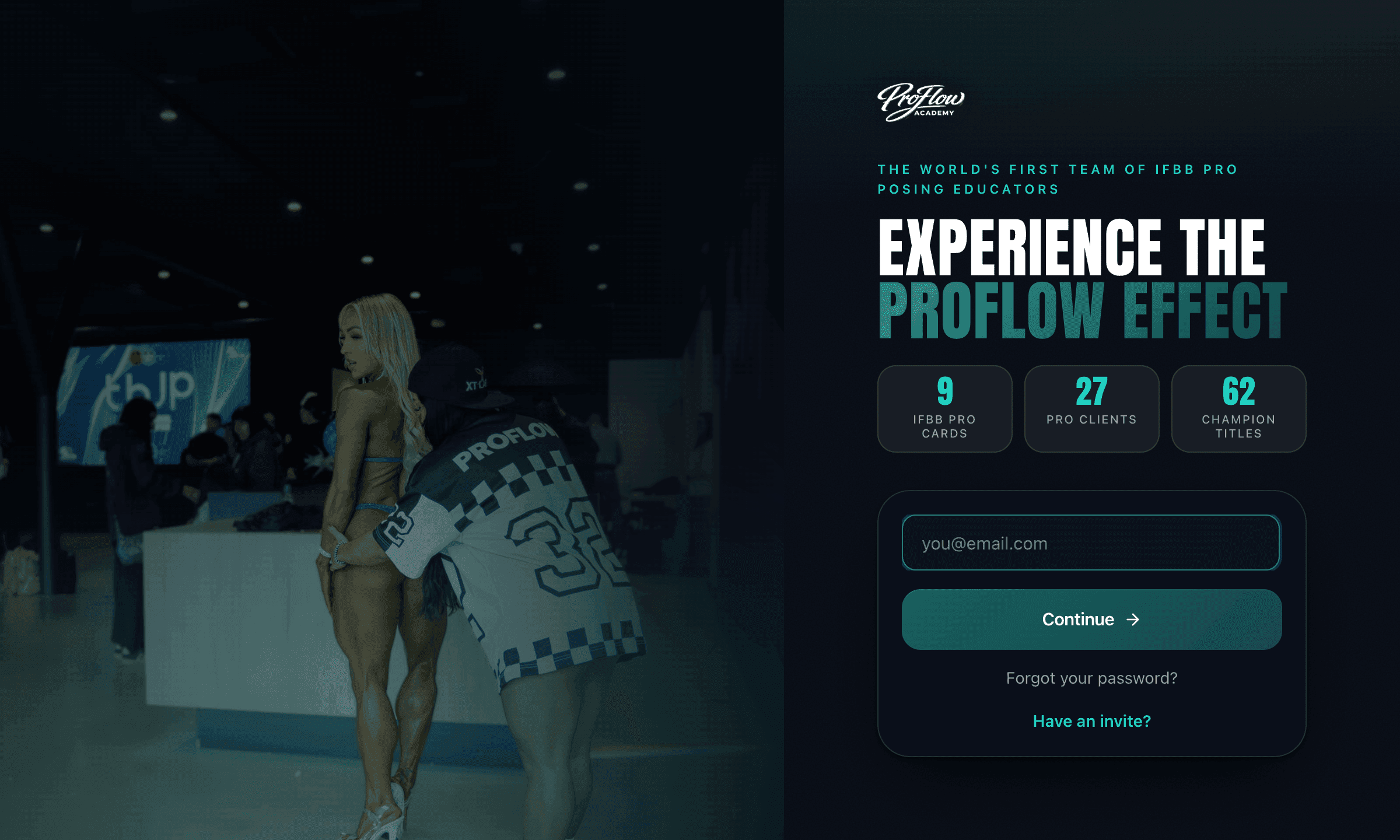
Coaching app, iOS and Android
ProFlow Academy
A posing coaching programme turned into a real product, live on both app stores, with a multilingual website that sells it.
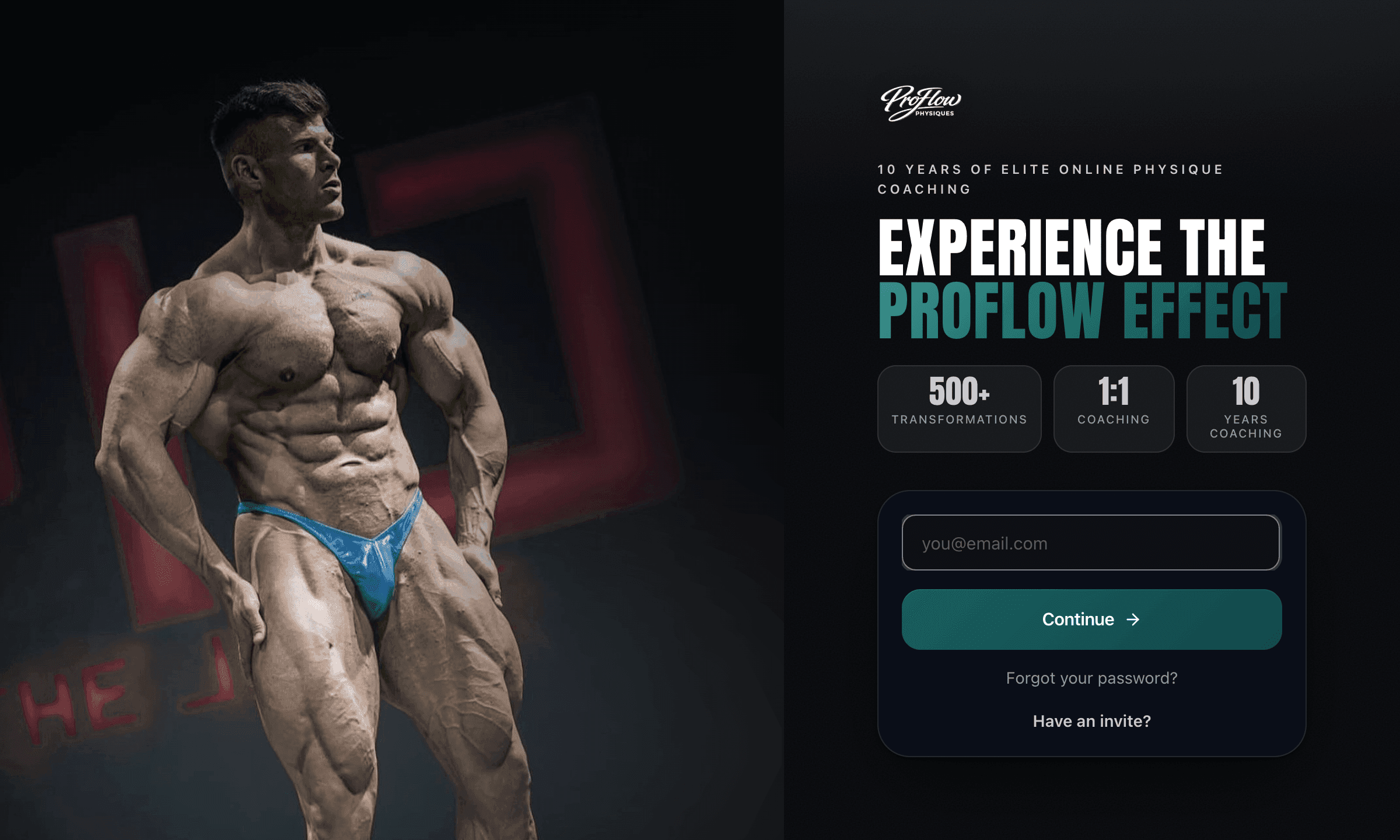
Coaching app, iOS and Android
ProFlow Physiques
A second app under the same brand, built for one to one coaching rather than a group programme, and the website that sells the coach.
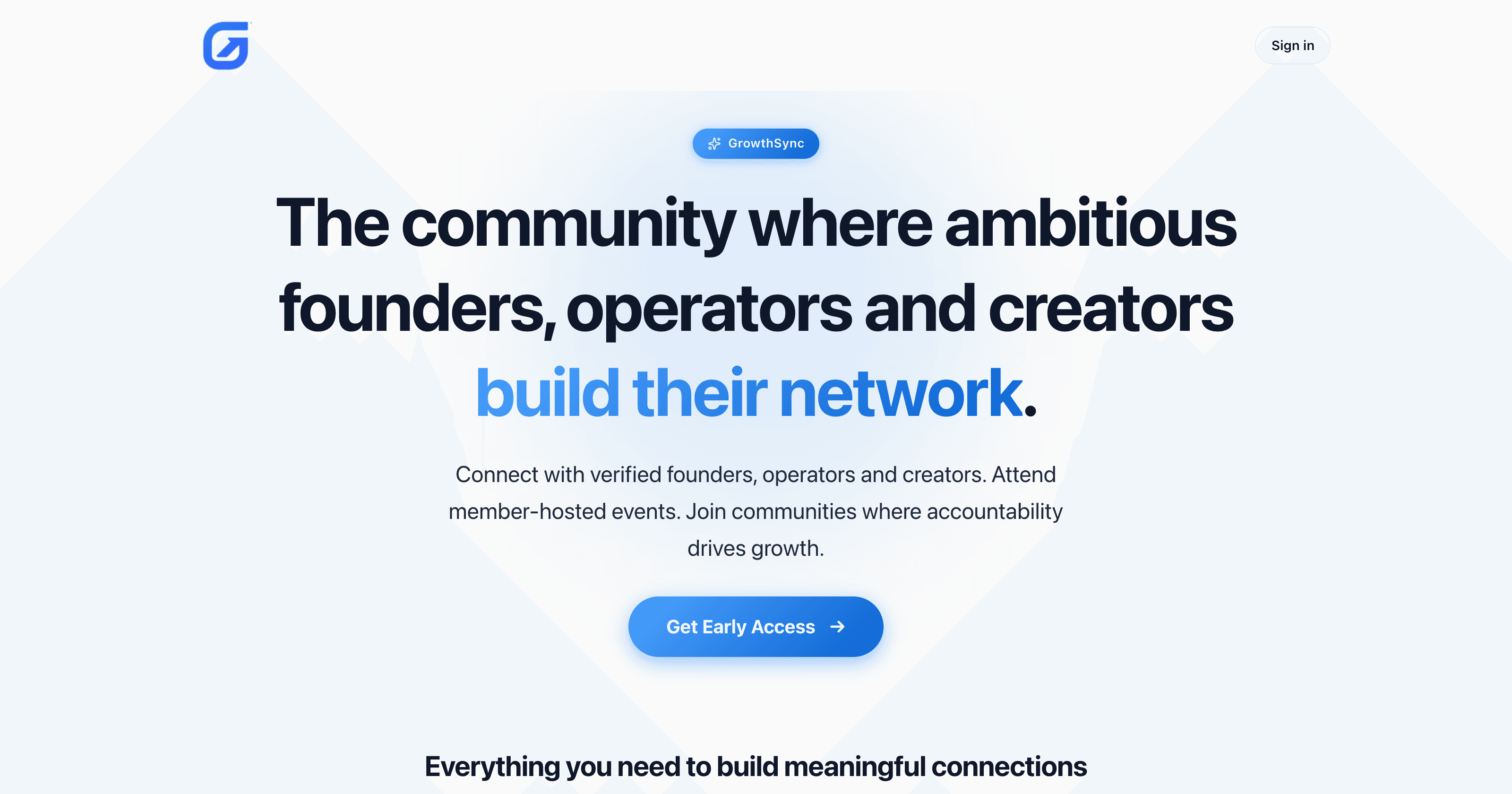
Our own B2B networking product
GrowthSync
A live networking product we designed, built, shipped to both stores, and run every day.
See it working
A short film of one of our own demonstrations, recorded from the running software. Every company in it is invented, and the link opens the real thing.
Juniper Events · Weddings and events entertainment
An extra hour asked for, priced, accepted, and only then added to the plan, with the brief reissued and acknowledged before the day counts as handed over.
Brackenhall Property Services · Construction and property maintenance
Every variation priced, sent, answered and captured, and a job that cannot be released for invoicing while there is a hole in the record.
Questions we get asked
- Are your apps actually on the App Store and Google Play?
- Yes, and the listings are linked from this page so you can check rather than take our word for it. ProFlow Academy is live on both stores, GrowthSync is live on both stores, and ProFlow Physiques is live on both stores.
- How much does it cost to build an app?
- We scope yours on a call, because what moves the number is what it does: user accounts, payments, messaging, video and a second platform each add real work. Watch the project briefing first, then book a short call if the approach feels right.
- Will the app be published under my own name?
- Yes. Client apps go out under the client's own brand with their own store listings, screenshots and data. We handle submission, review and the store admin that comes with it.
- How long until it is on the stores?
- The build is the predictable part and the review queue is not. We have had a build sit with Apple for a fortnight with no explanation, and nobody can promise otherwise. We will give you a realistic date for submission and tell you honestly that the last step belongs to Apple.
- What happens after it launches?
- An app is never finished at launch: the operating systems move, the stores change their rules, and your business changes what it needs. The monthly retainer covers hosting, monitoring, store submissions, fixes and changes, and we hear about breakages through error monitoring rather than through your users.
Where to go next
- Apps for members and clientsEvery app feature we have already built and run, from timed lessons to check-ins and booking.
- App development for coachesThe sector we have built the most apps in, and why coaching apps are their own problem.
- Every project we have written upApps, sites and internal systems, each with what it was built to solve.
- Web design in PrestonIf a website is the right first step rather than an app.
- How long custom software takes to buildReal timelines, and what actually makes a build take longer.
- What decides what custom software costsThe handful of decisions that move the number more than anything else.
Thinking about an app, and want to know if it is worth building?
Tell us what it would do and who would use it. We will tell you what it would take, roughly what it would cost, and whether a website would serve you better for less.